Register for the 2026 ARMS Campus Public Safety Conference! | Read More

-

Every year, colleges and universities across the U.S. must meet a critical federal deadline: October 1. By this date, institutions must publish and distribute their Annual Security Report (ASR) to remain in compliance with the Jeanne Clery Disclosure of Campus Security Policy and Campus Crime Statistics Act — better known as the Clery Act. Missing…
-
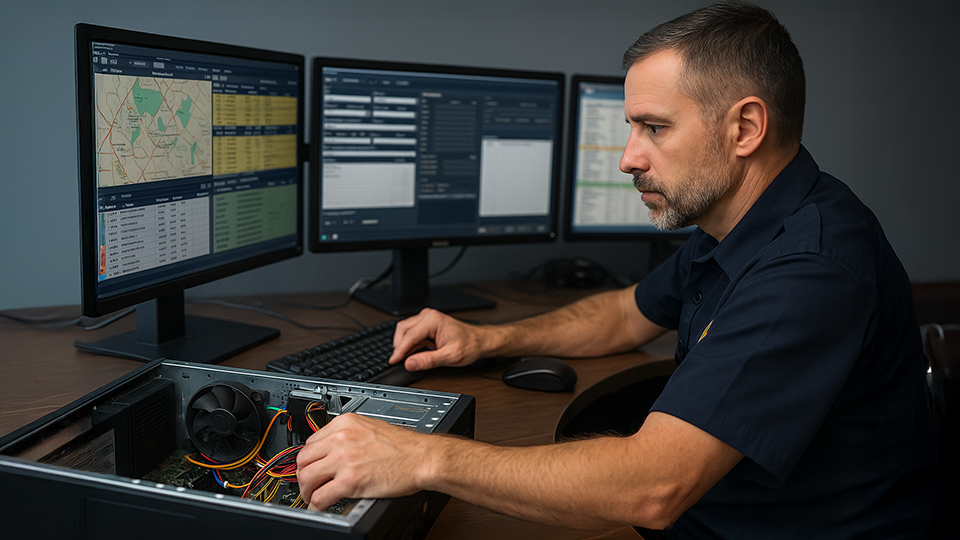
As public safety agencies gear up for the fall semester, most attention turns to field prep: staffing, schedules, updated patrol plans, and training. But one critical area is often left unchecked—the back-end of your CAD/RMS system. Your CAD/RMS is the engine powering every dispatch, report, and compliance action behind the scenes. Without a seasonal tune-up,…
-

As the fall semester approaches, public safety agencies shift into preparation mode—finalizing shift schedules, onboarding new staff, and reviewing protocols. But amid all the operational planning, one critical area is often overlooked: technology. Your CAD, RMS, and integrated systems may seem stable coming out of the slower summer months, but the back-to-school rush can expose…
-

As students prepare to return for the fall semester, public safety agencies—especially campus departments and municipal teams near academic institutions—are gearing up for one of their busiest times of year. With increased calls for service, compliance reporting, and new officer onboarding, even the most organized departments can get overwhelmed. That’s why now is the perfect…
-
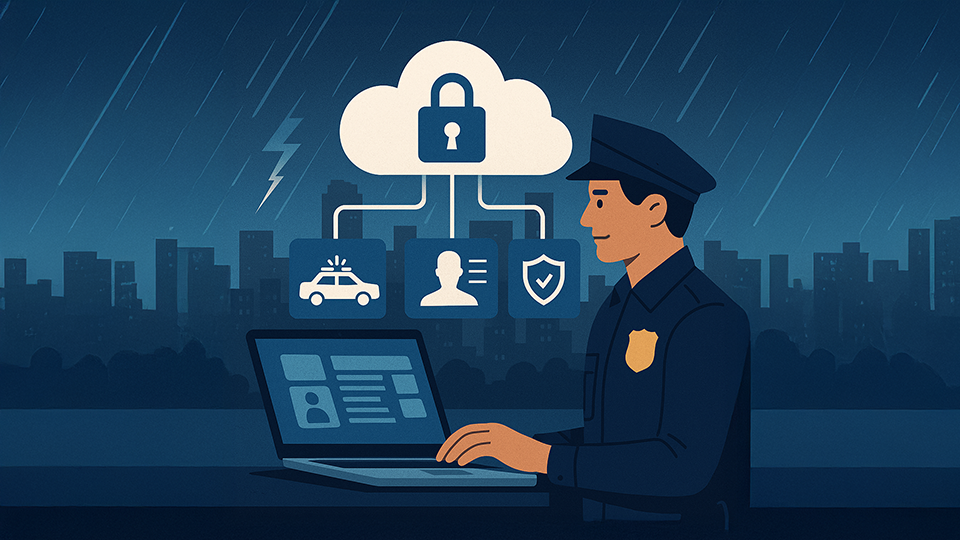
In public safety, operational continuity can’t be a luxury—it’s a necessity. From natural disasters to cyberattacks, law enforcement and emergency services face a growing array of threats that can take systems offline and put lives at risk. That’s why more agencies are turning to cloud-based Computer-Aided Dispatch (CAD) and RMS (Records Management Systems) as a…
-

In public safety, downtime is not an option. When disasters strike—whether in the form of cyberattacks, power outages, or natural catastrophes—agencies must be ready to respond immediately and operate without interruption. For law enforcement, 911 centers, and emergency services, disaster recovery (DR) and digital resilience are not just IT concerns—they are operational lifelines. This blog…
-

From body-worn camera footage to cloud-based screenshots and digital forensics, the volume and complexity of digital evidence in law enforcement has grown at an unprecedented pace. Modern investigations rely heavily on this data—but managing it has never been more challenging. Outdated storage systems can’t keep up with the demands of today’s digital-first public safety environment.…
-
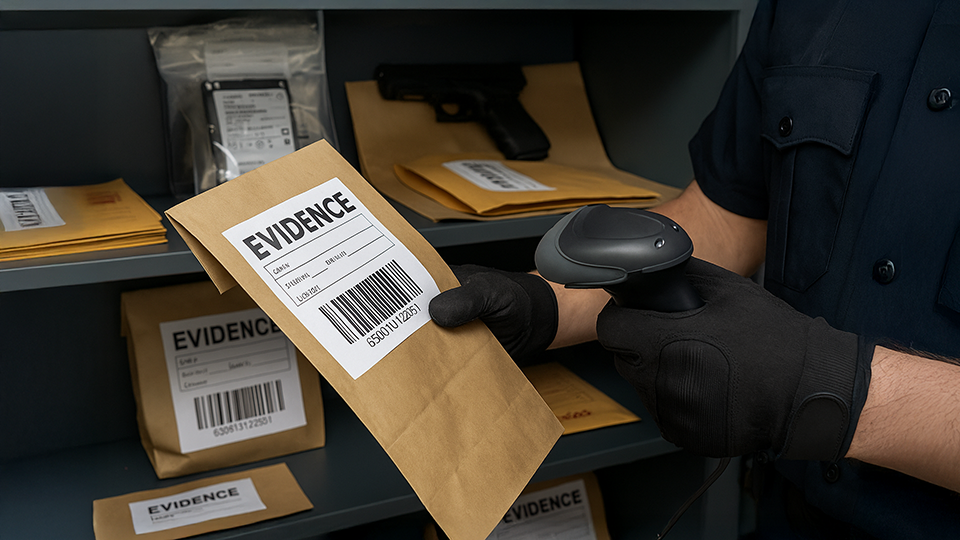
In today’s fast-paced law enforcement environment, agencies handle an overwhelming volume of evidence—from firearms and narcotics to digital devices and personal property. Managing this inventory accurately is critical not only for internal operations but for maintaining public trust and ensuring courtroom success. Yet, many agencies still rely on outdated, manual systems to track evidence. Handwritten…
-

As law enforcement and public safety agencies continue to evolve in the digital age, so too does the complexity of managing digital evidence. From body camera footage to surveillance video and forensic files, today’s investigations rely heavily on digital assets. But with this reliance comes a critical responsibility: ensuring every piece of evidence is accounted…
-
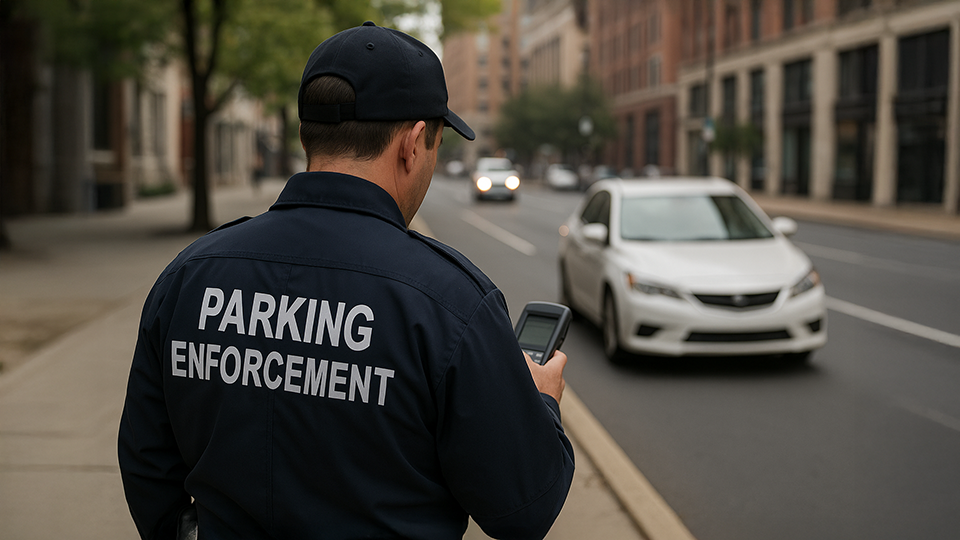
When people think about public safety, they often focus on high-profile initiatives—emergency response, patrol operations, or crime prevention programs. Parking enforcement rarely makes that list. But for many agencies, especially those serving campuses, municipalities, and healthcare facilities, parking enforcement is emerging as a foundational piece of the larger public safety puzzle. More than just a…
-

Parking enforcement might not always make headlines, but for many agencies, it’s one of the most visible—and often scrutinized—interactions with the public. Whether on a college campus, city street, or hospital lot, how agencies manage parking can influence everything from traffic flow to public perception. Yet many departments still rely on outdated tools and manual…
-
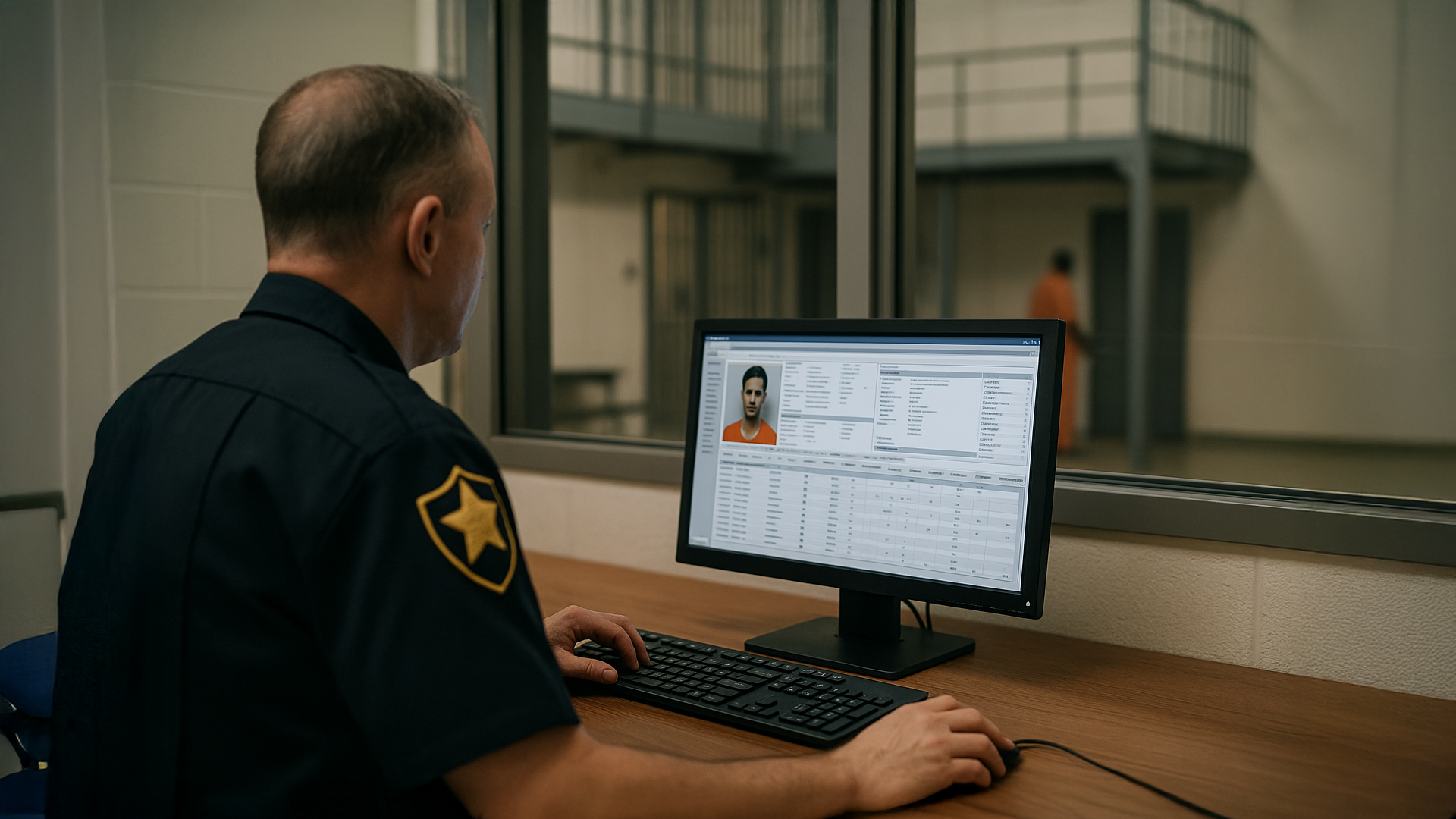
In today’s rapidly advancing technological landscape, correctional facilities face the pressing need to modernize their operations. Jail Management Systems (JMS) have emerged as pivotal tools in transforming how jails operate, ensuring safety, efficiency, and compliance. This article delves into the challenges faced by traditional jail systems and how modern JMS solutions address these issues. The…
-

For many public safety agencies, the most time-consuming part of an arrest isn’t the fieldwork—it’s the paperwork. Between completing reports, scheduling court dates, sending citations, and tracking case progress, agencies spend countless hours managing the administrative fallout of every incident. And when court systems and law enforcement platforms don’t communicate, that burden only multiplies. Integrating…
-

Body-worn cameras (BWCs) and Computer-Aided Dispatch (CAD) systems have become cornerstones of modern policing. One captures critical footage in the field, the other coordinates real-time response. But when these systems operate independently, agencies miss a major opportunity: the power to seamlessly connect what’s recorded with what’s reported. Integrating CAD with body cameras closes this gap—creating…
-
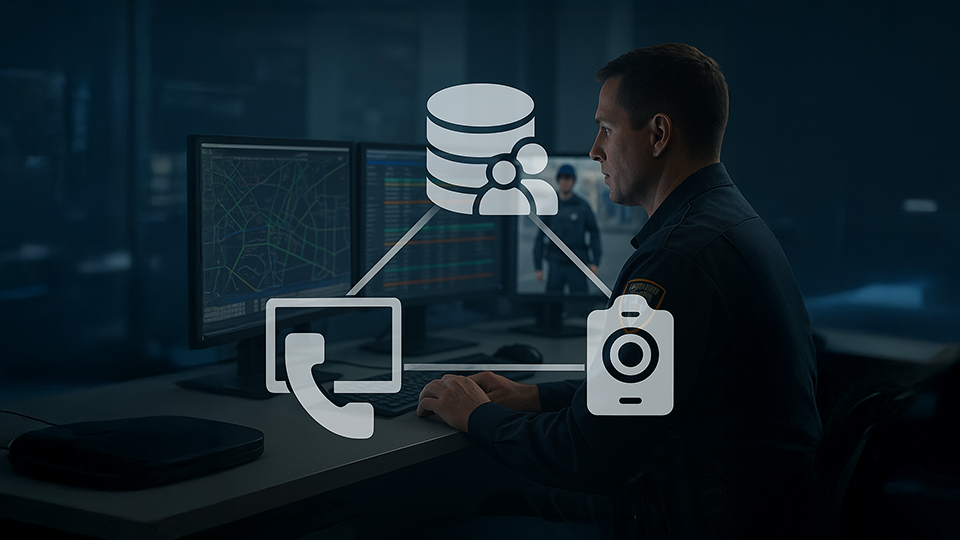
What if your systems could talk to each other? Law enforcement agencies rely on a growing number of tools to manage incident response, reporting, compliance, and collaboration. From dispatch systems to digital evidence platforms, each solution plays a critical role—but when these systems operate in silos, inefficiencies pile up. Integration across Computer-Aided Dispatch (CAD), Records…
-

In law enforcement, accuracy and timeliness are non-negotiable—especially when it comes to documentation. Yet many agencies still struggle with inconsistent field reporting that leads to supervisor bottlenecks, delayed approvals, and administrative frustration. When every officer writes and submits reports differently, supervisors are left to sort through formatting issues, missing information, and ambiguous narratives. The solution…
-

In law enforcement, every second counts. Delayed response times can lead to escalated incidents, diminished public trust, and missed opportunities to protect lives and property. While many agencies focus on optimizing dispatch procedures, an equally critical factor in reducing response time lies in what happens after the call is received—and that’s where mobile patrol software…
-
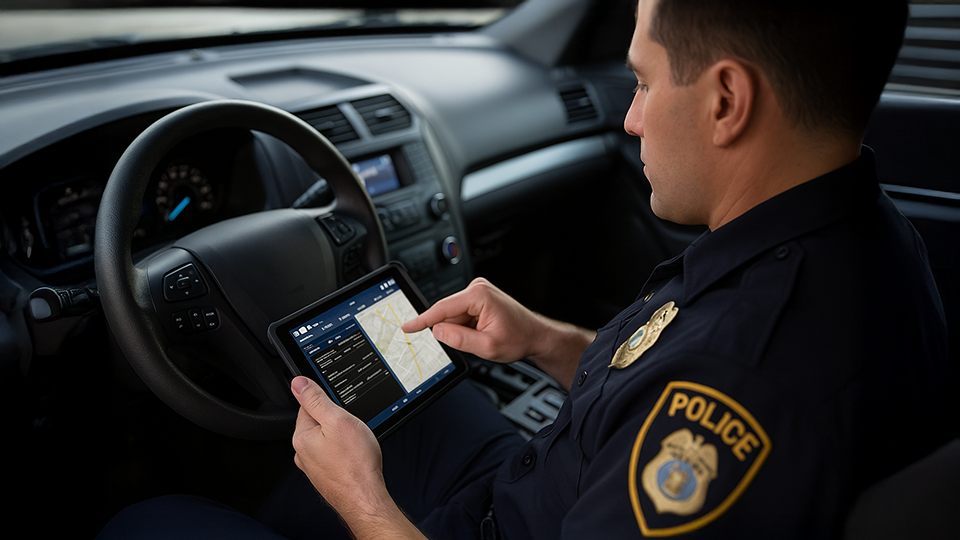
As technology continues to redefine the landscape of public safety, law enforcement agencies are under increasing pressure to operate faster, smarter, and safer. With the rise in mobile operations, remote access needs, and real-time situational demands, Computer-Aided Dispatch (CAD) systems have evolved from basic dispatch tools to sophisticated digital platforms. At the forefront of this…
-

In an era where public trust in law enforcement is more important than ever, the need for transparency, accountability, and equitable policing practices cannot be overstated. One of the most pressing concerns in public safety today is racial profiling—a practice that undermines community trust and has serious legal and ethical implications. To combat this, many…
-

A patrol officer responds to a burglary call. They document the scene, gather witness statements, and jot down field notes—promising to finish the report later in the shift. But the shift runs long. The report gets delayed. When the investigator reviews the case the next morning, the file is missing key details and the supplemental…