
-
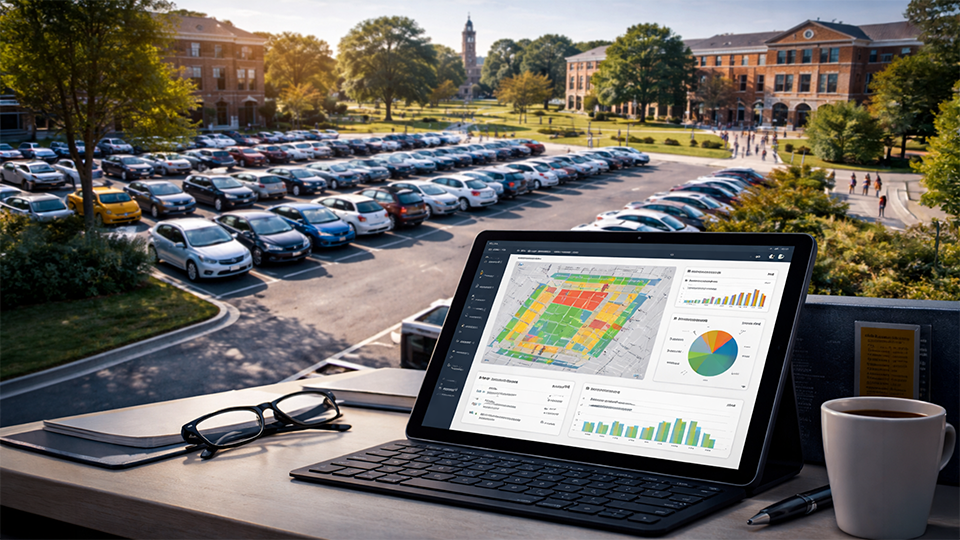
On many campuses, parking is viewed as a necessary service—something to manage rather than something to optimize. However, as higher education institutions face increasing budget pressures, parking is quickly becoming a critical source of revenue that cannot be overlooked. The challenge is that most campuses lack clear visibility into how their parking resources are actually…
-
ARMS has taken a significant step forward in its mission to deliver a fully integrated public safety platform by acquiring ATIMS, a respected provider of jail management software. This expansion marks ARMS’ entrance into the Jail Management System (JMS) space, enabling the company to support corrections workflows alongside its existing CAD and Records Management (RMS)…
-

For many public safety agencies, the fourth quarter (Q4) is a critical window for procurement. Budgets are closing, new funds are opening, and decision-makers feel pressure to act quickly before deadlines pass. While this creates opportunities to secure essential technology, it also introduces significant risks. Too often, the rush to spend leads to shortcuts, missed…
-

Public safety agencies operate under constant pressure: shrinking budgets, growing compliance requirements, and increasing community expectations. When the time comes to consider new technology, leaders often face a tough question — how do you prove the investment is worth it? A cost-benefit analysis (CBA) is the answer. By putting numbers to both the risks of…
-

Technology modernization is no longer optional for public safety agencies — it’s essential. Outdated systems create inefficiencies, raise costs, and expose organizations to risks ranging from compliance fines to cybersecurity vulnerabilities. Yet despite the urgency, many modernization projects stall before they begin. The reason? Winning stakeholder support often proves harder than implementing the technology itself.…
-
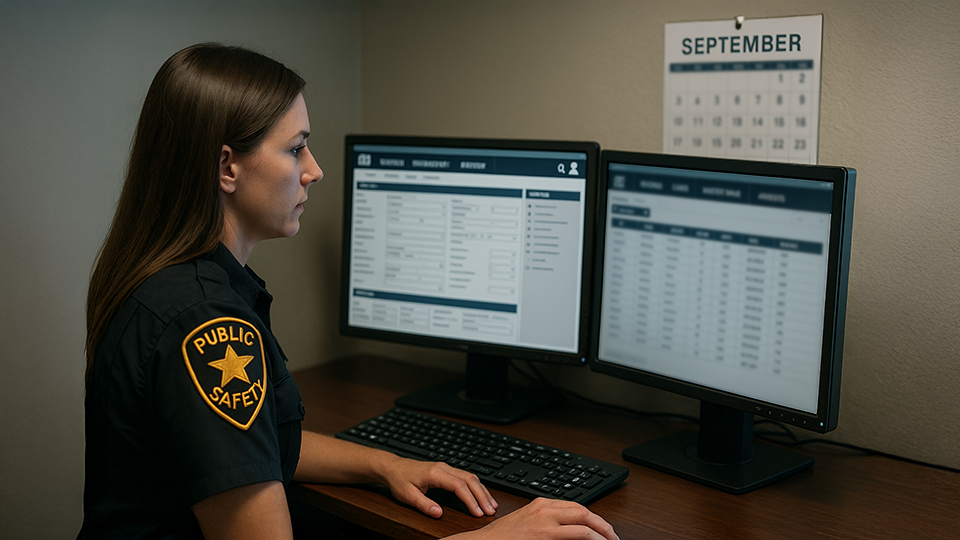
Across the public safety sector, many agencies still rely on outdated Records Management Systems (RMS). These legacy tools often slow operations, increase costs, and put agencies at risk of compliance errors. Leaders know a change is necessary—but the question is when. The answer might surprise you: the fourth quarter is the most strategic window to…
-

As the fiscal year winds down, public safety agencies across the country—particularly in higher education—are under pressure to make smart spending decisions before June 30. Budgets need to be finalized, funds need to be allocated, and in many cases, that means making critical technology purchases under tight timelines. It’s a stressful balancing act: trying to…
-

When a small public safety agency chooses a new software system, the stakes are deceptively high. You might only have a dozen officers or a single dispatcher per shift—but your agency is still responsible for responding quickly, managing complex incidents, and meeting the same federal reporting standards as departments 10 times your size. The problem?…
-

Public safety agencies rely on technology to keep operations running smoothly, ensure officer safety, and provide the best service to their communities. But what happens when that technology starts working against you instead of for you? Outdated or inefficient public safety software can create major roadblocks—wasting time, increasing costs, and putting compliance at risk. If…
-

How do you communicate with your university’s Student Conduct department? Do you regularly share incident reports with Student Conduct or only communicate with the department when a serious incident occurs?